Liquid Natural Gas – A Threat to the World Heritage
_______________________________________
Liquid Natural Gas (LNG) has become more broadly known in Europe when its delivery from Russia through the North Stream 1 and 2 pipelines was stopped after the full-scale invasion of Ukraine. LNG is a fossil fuel which, when burnt in power plants, releases CO2 into the atmosphere, contributing to global warming and the impending climate catastrophy.
However, LNG creates damage and destruction to our planet long before it is burnt, including to World Heritage Sites:
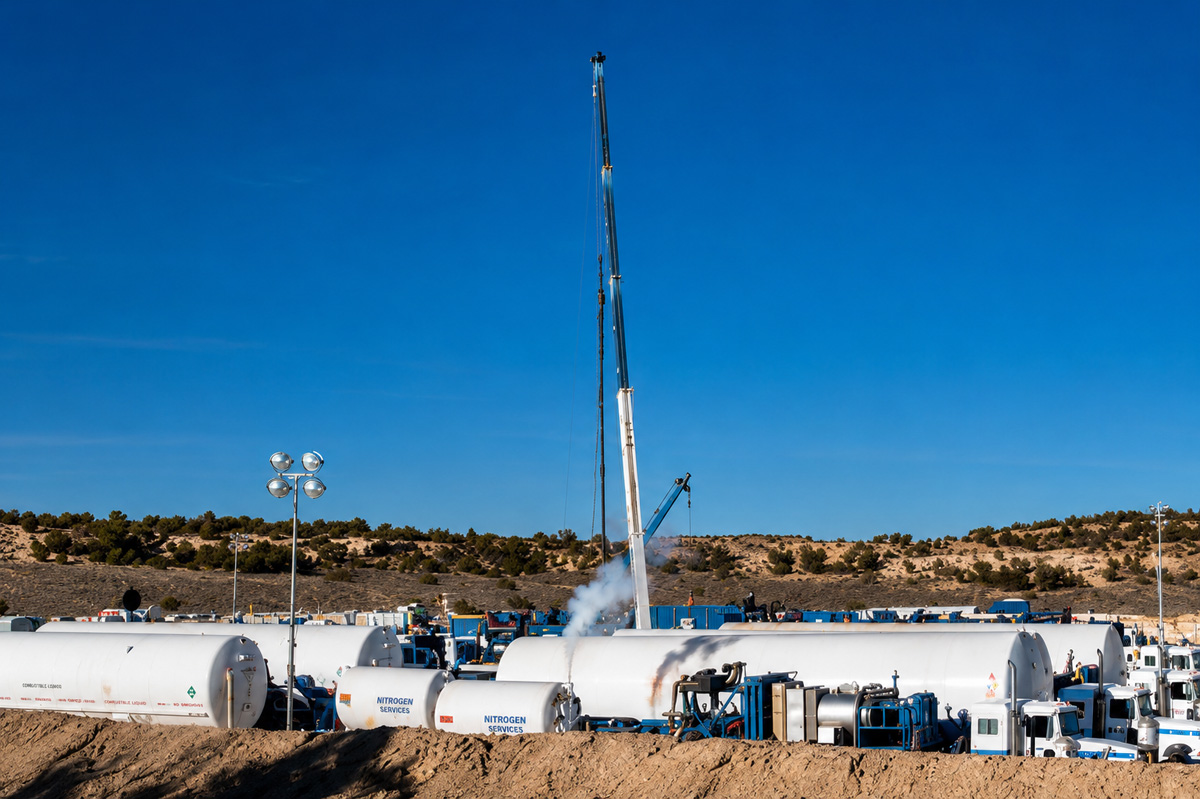
Hundreds of drill sites in New Mexico (USA) have devastated the ancient landscape around the archaeological sites of the Chaco Culture, the most important remnants of some Native American Pueblo tribes for whose descendants they are still sacred sites, and a World Heritage.
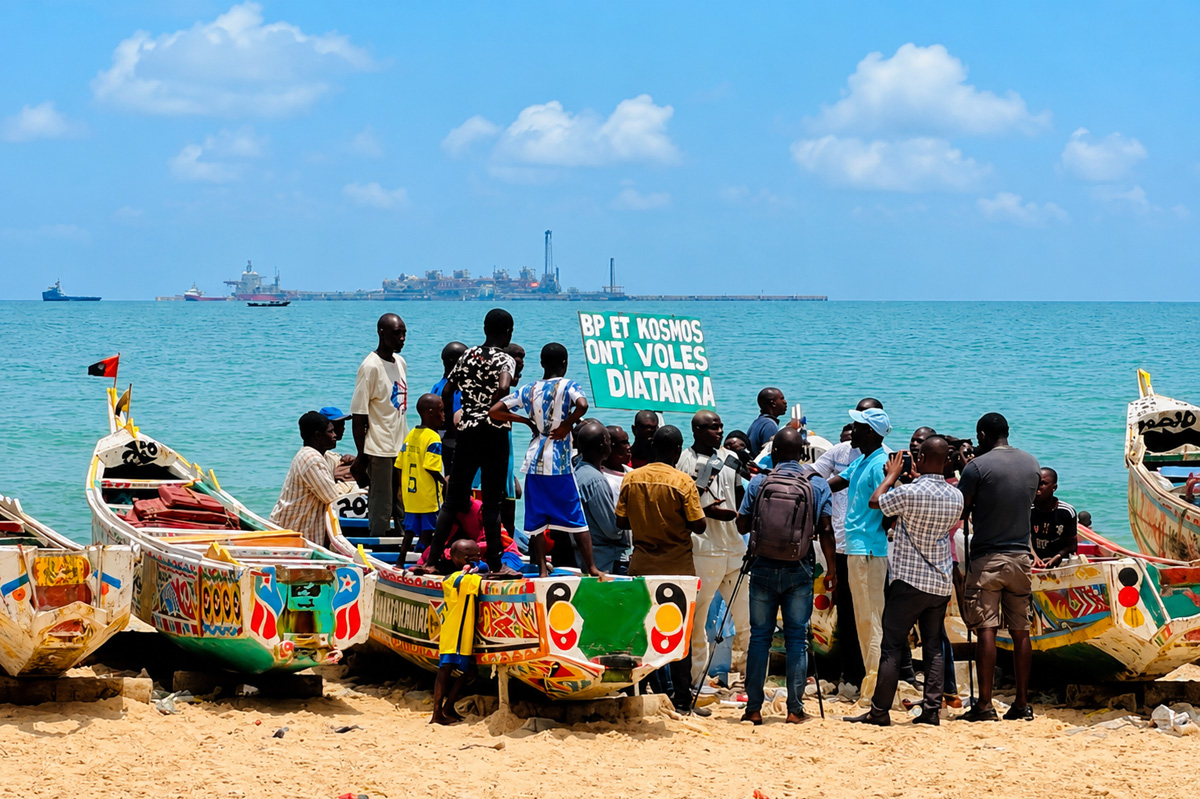
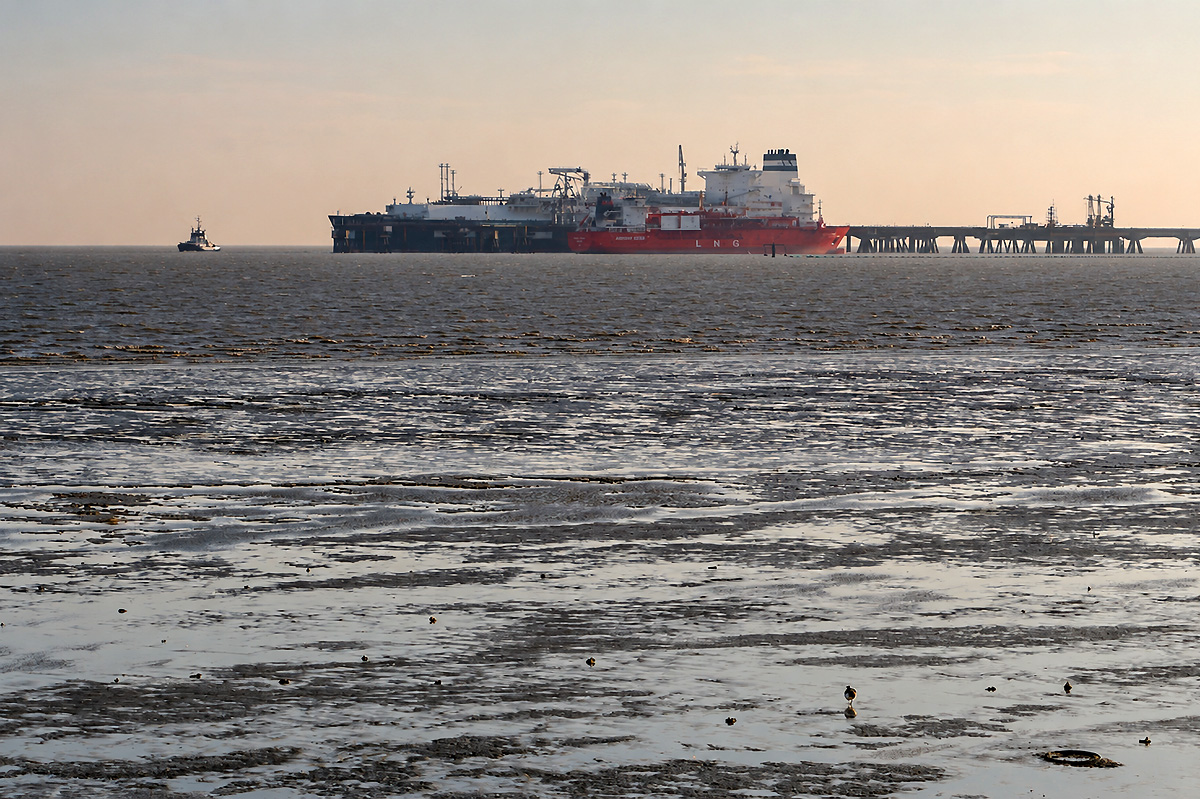
Where natural gas is produced offshore, such as in Senegal, the Wadden Sea and West Australia, the technology used disturbs ocean biodiversity and disrupts important ecosystems, often leading to a decline of fish populations and related income for local fishermen.
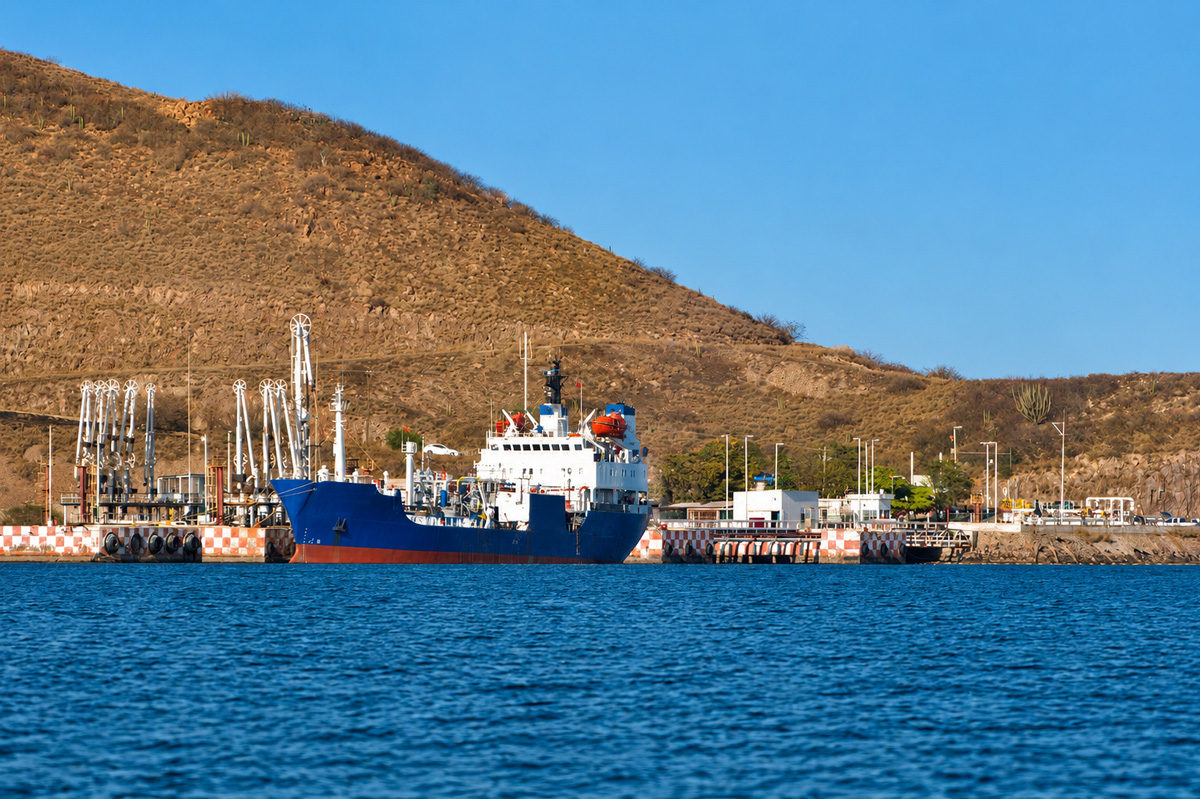
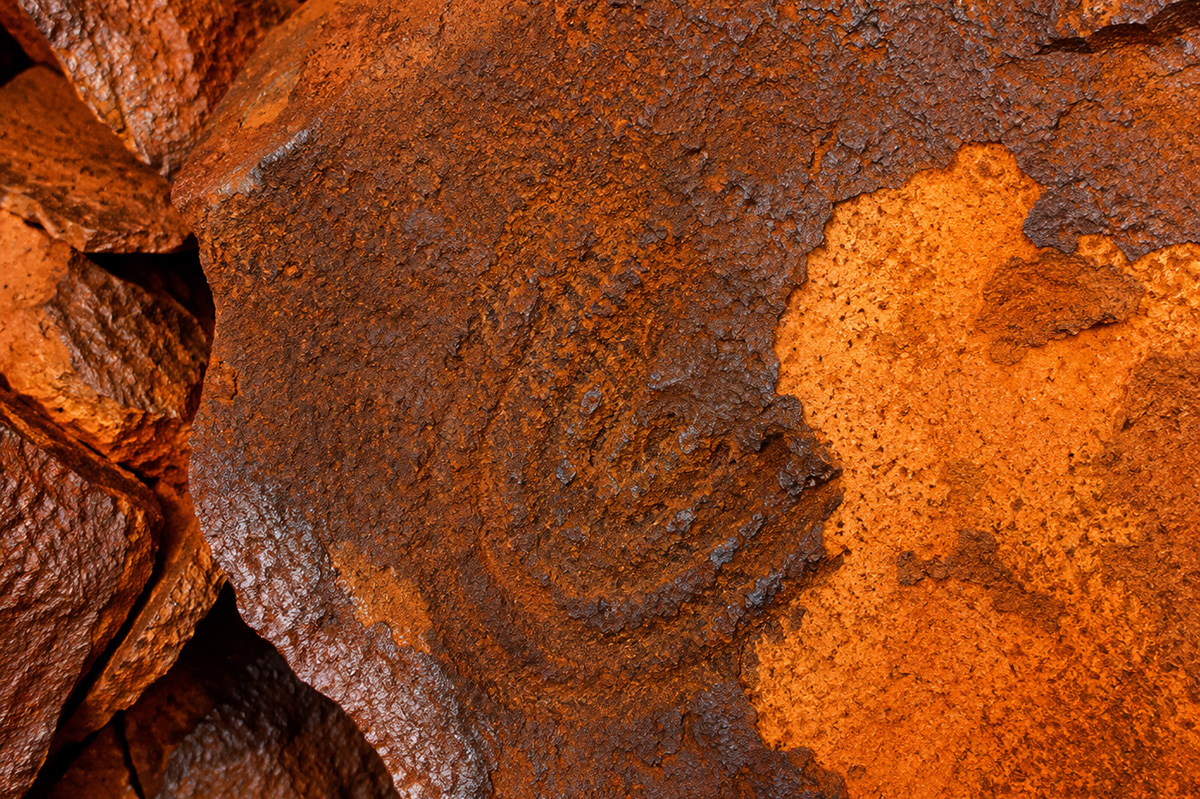
The extensive industrialization needed for liquefying the gas has further destructive effects: Long stretches of natural coastline are destroyed (planned in the Gulf of Californa), toxic by-products are released into the ocean (the Wadden Sea), and the pollution from smokestacks destroys some of the most ancient and important rock art of Australian First Nations in Murujuga.
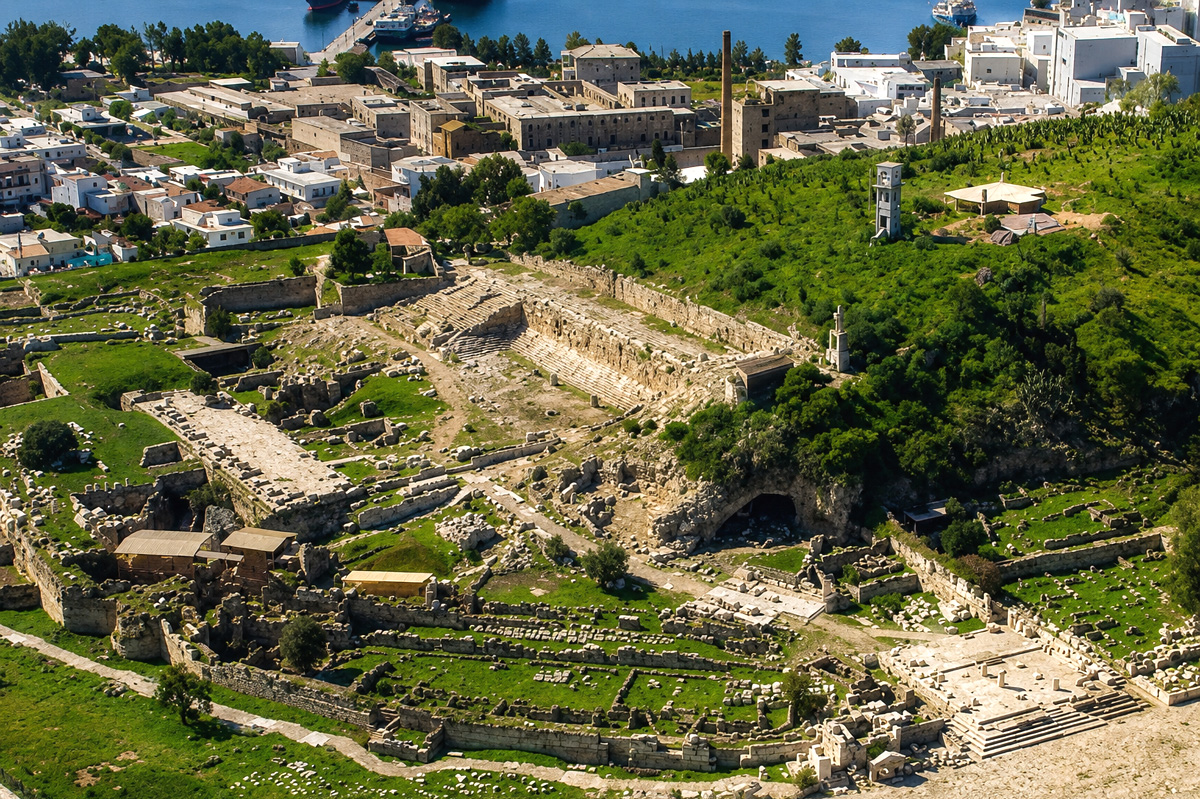
One of the most important archaeological sites of Ancient Greece, the place of the Eleusian Mysteries, may never become a World Heritage if an LNG Terminal will be built in its immediate neighbourhood, destroying the integrity of the site which is already compromised by industrial facilities.
The evidence is clear: LNG is not only a “climate killer” but also a threat of global proportions to both natural and cultural World Heritage. We are working on a broad coalition of NGOs in nature conservation, cultural heritage and climate together with indigenous peoples in order to educate the world about the devastating effects of this technology, and stop it from destroying our planet.