
Projects to Strengthen the Organization
_______________________________________
The World Heritage Watch Report
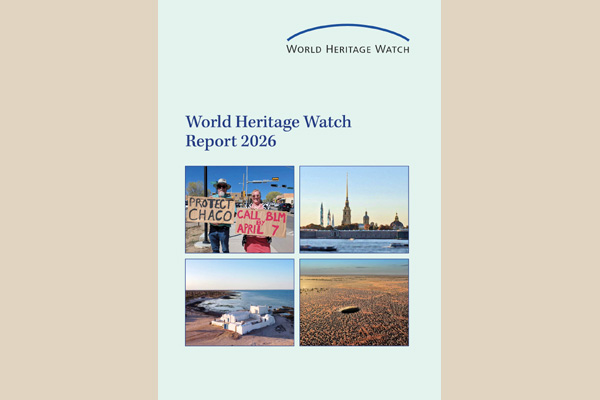
The World Heritage Watch Report is published annually and is the key output of the WHW Network. Being disseminated to UNESCO and its Advisory Bodies as well as among the media and the expert community, it is our most important tool to alert the world to threats to World Heritage sites.
From collecting the papers to working with the authors, editing, layout and printing, it takes about half a year of full-time work to produce it.
36.000,00 EUR annually
Our Campaign Against LNG
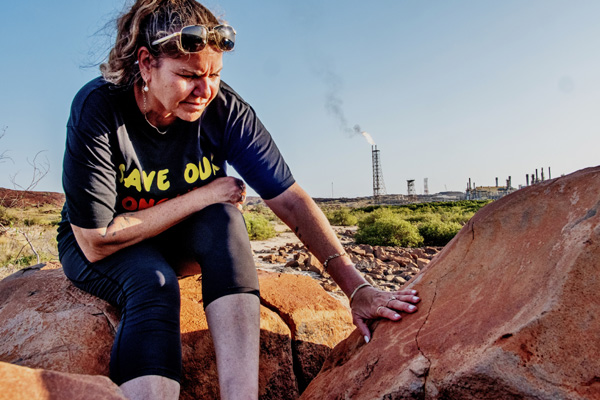
LNG is a fossil fuel which, when burnt in power plants, releases CO2 into the atmosphere, contributing to global warming and the impending climate catastrophy. However, LNG also a threat of global proportions to both natural and cultural World Heritage. We are working on a broad coalition of NGOs together with indigenous peoples in order to educate the world about the devastating effects of this technology and stop it.
20.000,00 EUR for one year
Annual Exhibition of Newly-inscribed Sites
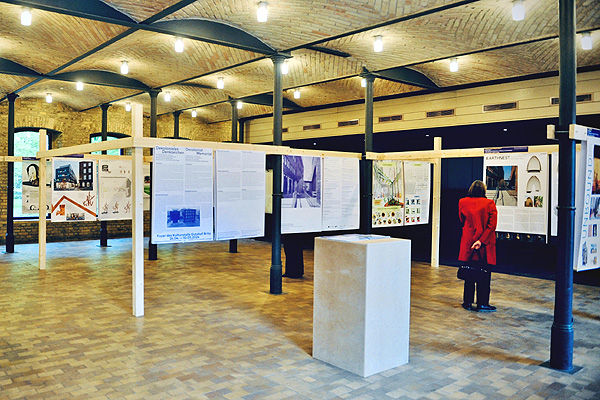
Every year, about 25 new sites are added to the World Heritage list, thereby becoming the common heritage of all humankind, but few media report about them. By an annual exhibition that can be shared digitally, we want to inform the world about these sites of Outstanding Universal Value for which the international community has now taken responsibility.
50.000 EUR for the initial year
Media Outreach
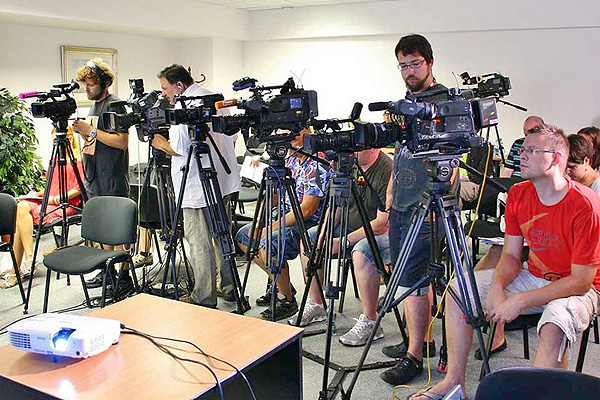
Every year, about 25 new sites are added to the World Heritage list, thereby becoming the common heritage of all humankind, but few media report about them. By an annual exhibition that can be shared digitally, we want to inform the world about these sites of Outstanding Universal Value for which the international community has now taken responsibility.
50.000 EUR for the initial year
Projects for Heritage Sites on the Ground
_______________________________________
Podesennya World Heritage Nomination
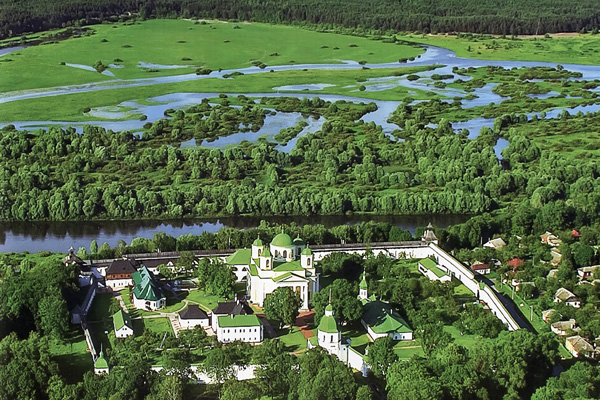
The Desna river in northern Ukraine is Europe’s biggest river which has completely retained its natural flow. In springtime, its valley of 2-4km width is inundated and becomes a resting place for millions of migrating birds, while in summer it is used for grazing. Its banks are lined with monasteries up to 1,000 years old. Ukrainian environmentalists have asked us to support a World Heritage nomination for this region called Podesennya.
30.000 EUR for a satellite image evaluation
Ladakh
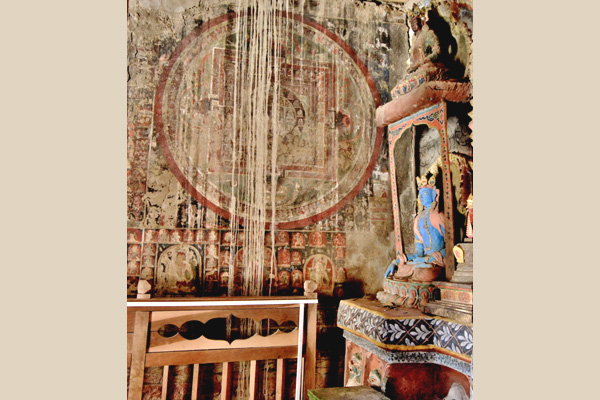
With Tibetan Buddhism under severe suppression in China, the Indian region of Ladakh – also called “Little Himalaya” – is the last place where many monasteries flourish. However, due to climate change, this high-mountain desert now experiences heavy summer rains dripping through the clay roofs and destroying the ancient frescoes on the interior walls. We have been asked by the Ladakh Association of Monasteries to help develop an appropriate solution to isolate the monastery roofs from the rain. Ladakh is planned to be nominated for the World Heritage list.
40.000 EUR for a pilot project and training of trainers
Djerba
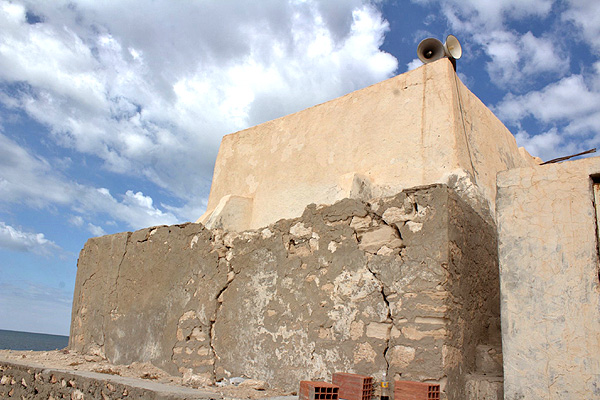
The cultural landscape of the Tunisian island of Djerba is marked by its palm tree groves and orchards, dotted by small mosques and gravesites of holy men. Many of these are in critical condition due to neglect, vandalism, earthquakes and sea level rise. A local group of architects has issued a call for help in order to save the most endangered ones.
15.000 – 45.000 EUR per mosque
Potosí
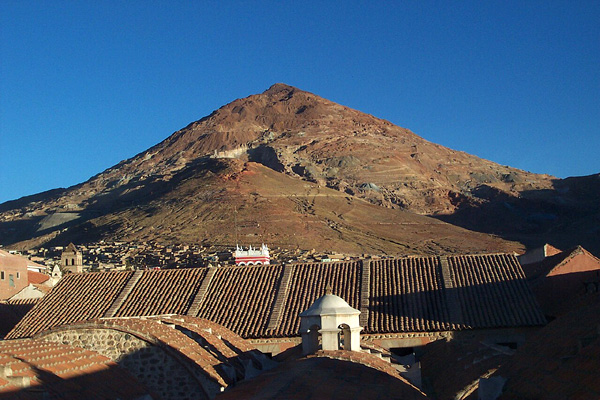
At 4,000m altitude on the altiplano of Bolivia lie the city of Potosí and the Cerro Rico, once the richest silver mine in the world. Mining has been prohibited due to the risk of immediate collapse of the mountain from its many shafts, but illegal mining is still carried out. Concerned local citizens have requested to send a geo-engineer in order to examine the mountain and suggest ways to stabilize it.
15.000,00 EUR for a one-month consultancy