Our work
_______________________________________
Our core mission is to alert UNESCO and the world to developments that jeopardize the World Heritage sites through up-to-date, reliable information from the ground, giving a voice to many committed local groups, often in remote places or unfree countries, who would otherwise remain unheard. Together we form a strong network where all of us care for every one of us.
UNESCO’s World Heritage Committee, consisting of 21 countries elected for four-year terms, inscribes new sites (“properties”) on the World Heritage List and monitors the state of conservation of those sites already inscribed.
However, UNESCO itself cannot be present on the ground at more than 1,200 sites. It must rely on reports submitted by the States which are Parties to the World Heritage Convention. Actually, according to our research, in 2024 there were 439 sites from which UNESCO hadn’t received any State of Conservation Report for 10 years or more.
And here is the problem: Governments often do not inform UNESCO about problems at the sites, or new projects which they intend to realize and which could compromise their Outstanding Universal Value, their authenticity or integrity. As a result, UNESCO remains in the dark about what is actually going on.
It is at this point where World Heritage Watch comes in to support UNESCO through reports by civil society – local people of various backgrounds who observe misdirected developments, risks and threats that otherwise would remain unnoticed.
Time and again World Heritage sites are threatened by development pressure, mass tourism, wars, resource depletion, urbanization, climate change, infrastructure projects, or by neglect and mismanagement.
We support and advise our global network of activists to prepare reports about such threats which we share and discuss with UNESCO and its technical Advisory Bodies – IUCN for natural sites and ICOMOS for cultural sites – before they set the agenda and draft the decisions for the next annual session of the World Heritage Committee.
These reports are published in our annual World Heritage Watch Report and disseminated among UNESCO, all States Parties to the WH Convention, the international media, and the global heritage expert community.
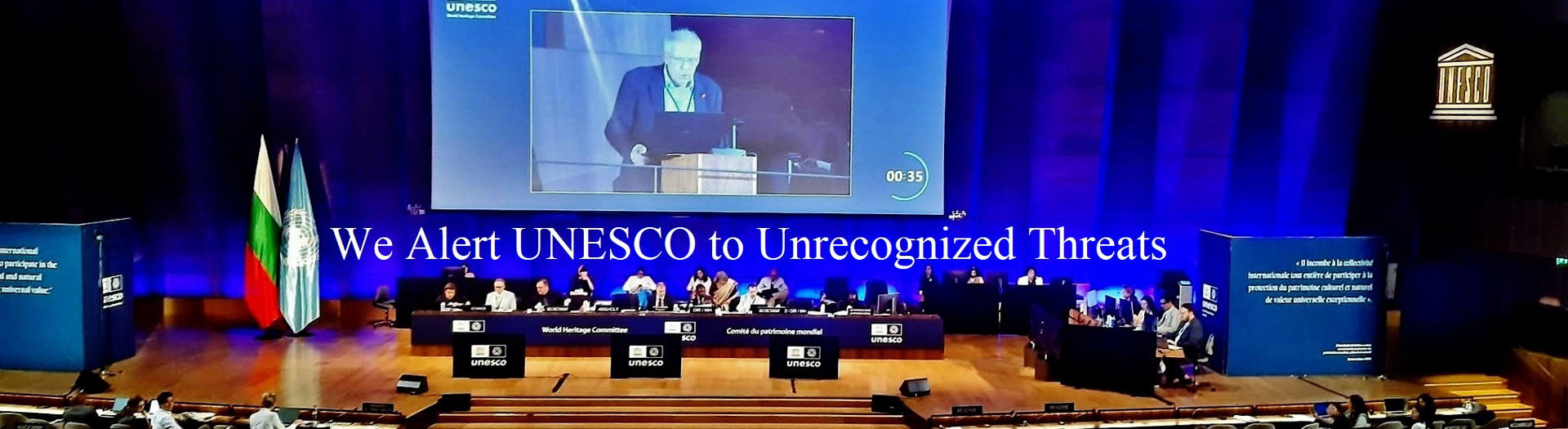
In a last step, we participate in the sessions of the World Heritage Committee where we lobby for better protection of the sites and raise our voice on the plenary sessions – live-streamed globally for the world to know.
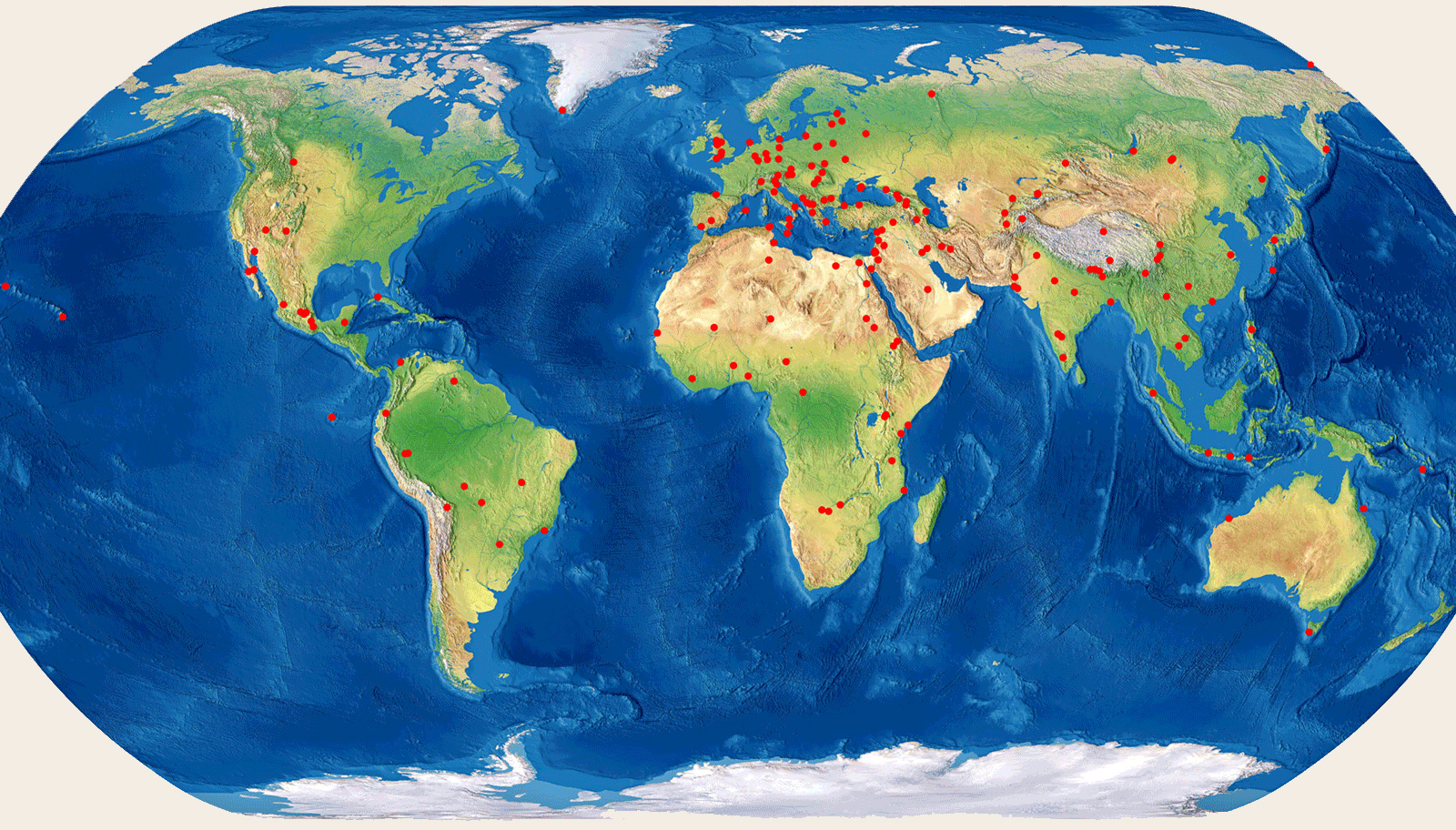
By now, we have reported about World Heritage Sites in 78 countries, spanning all continents.
Together with our local activists we have achieved a lot:
_______________________________________